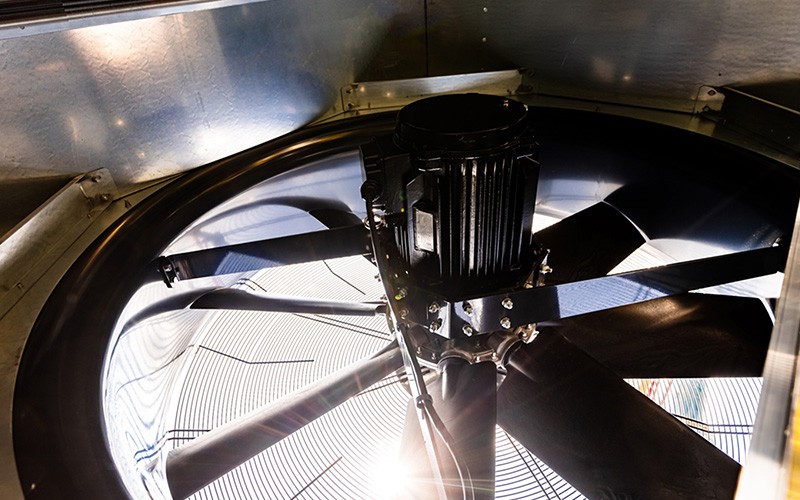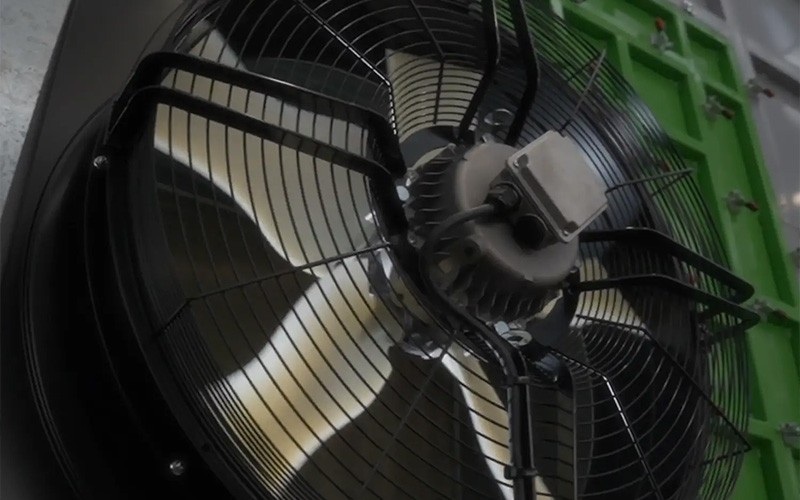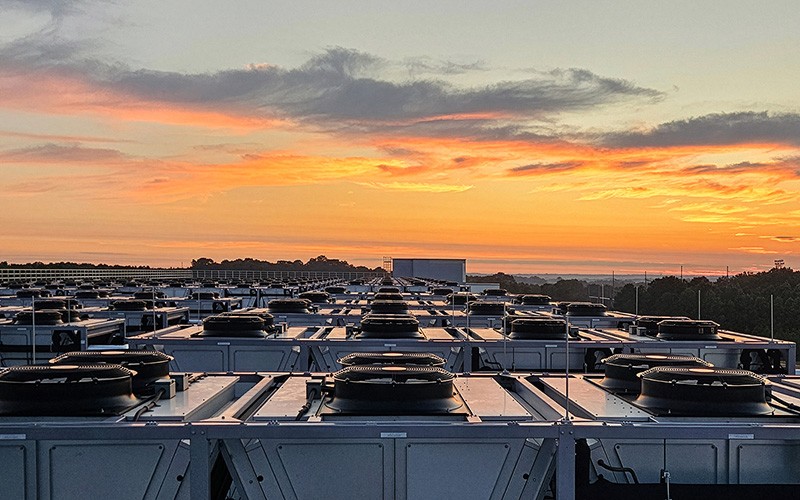
As data centres run hotter and cooling demands intensify, fan performance is becoming a critical part of system reliability. Here are the key facts behind high-temperature EC fans—and why modular, serviceable solutions matter in modern heat-rejection applications.
Think that safe is boring? Not in explosion‑proof fan design
Explosion-proof fan design: Get it right from the start. In hazardous environments, every component, clearance and certification detail matters. Here are the key facts behind Ex fan design—and why safety, documentation and complete system compatibility need to be considered from day one.

Romain Bignolles
Global Product Director
1 min read
May 27, 2026
In most applications, a fan that is slightly oversized or a few percent off on efficiency is a performance issue. In a potentially explosive atmosphere, the wrong fan can become an ignition source.
That is why explosion-proof fan design must be treated as a safety-critical discipline from the start.
ATEX, IECEx and other Ex frameworks are not just labels for hazardous areas. They define how equipment should be designed, tested, marked and documented, so users know exactly where it can and cannot be installed.

Built for hazardous zones
In ATEX and similar frameworks, hazardous areas are divided into zones. Gas and vapor atmospheres use zones 0, 1 and 2. Dust atmospheres use zones 20, 21 and 22. The lower the number, the more often an explosive atmosphere is present.
Most industrial Ex fan applications are found in zones 1/21 and 2/22, where the risk occurs occasionally or under abnormal operating conditions.
But the details matter. A fan designed for zone 2 may not be suitable for zone 1. A fan certified for gas may not be certified for dust.
Gas groups, dust groups and temperature classes also need to be understood, because they define how easily the atmosphere can ignite and how hot the fan surface is allowed to become.

More than an Ex motor
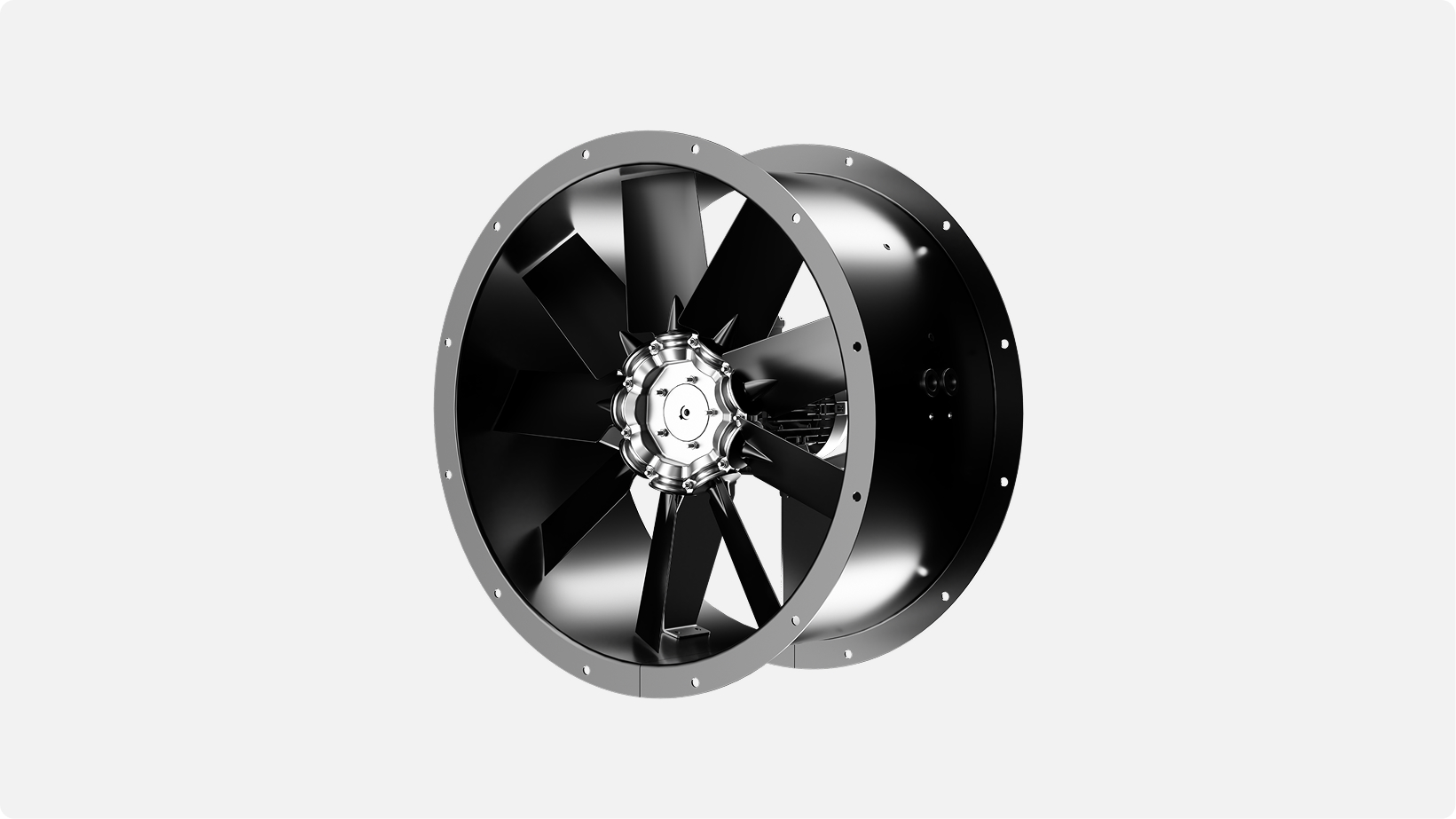
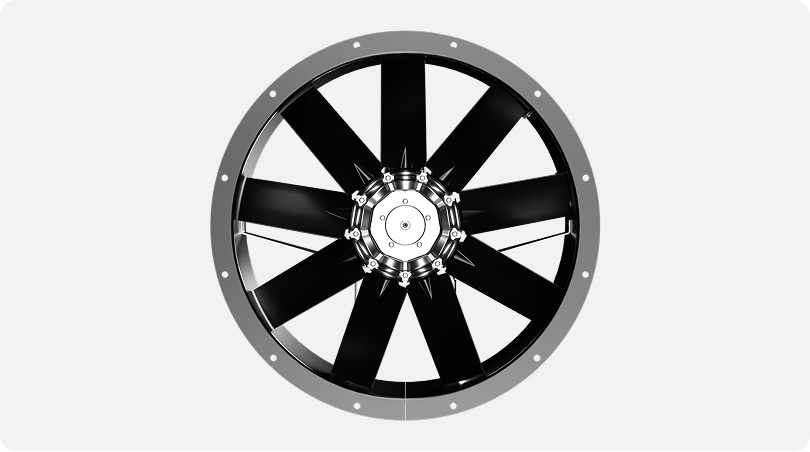
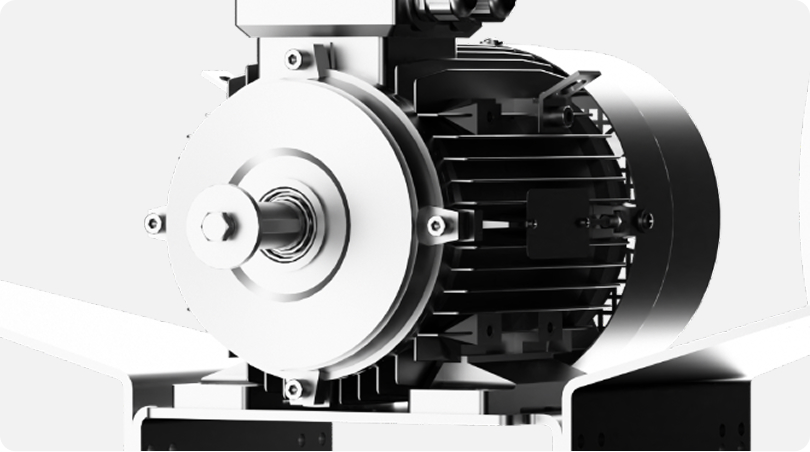
The motor is only one part of the system. The complete fan assembly also includes the impeller, casing, clearances, materials, coatings, fasteners and mechanical construction. All of these elements can affect safety in an explosive atmosphere.
Potential ignition sources can include impeller contact with the casing, bearing failures that generate heat, foreign objects entering the fan, or surface temperatures that exceed the permitted limit for the gas or dust in question.
That is why explosion-proof fan design looks at the full assembly. The motor, fan, drive, controls and documentation must all support the same Ex protection concept. A safe fan paired with an unsuitable drive can still create an unsafe system.
Design choices that matter
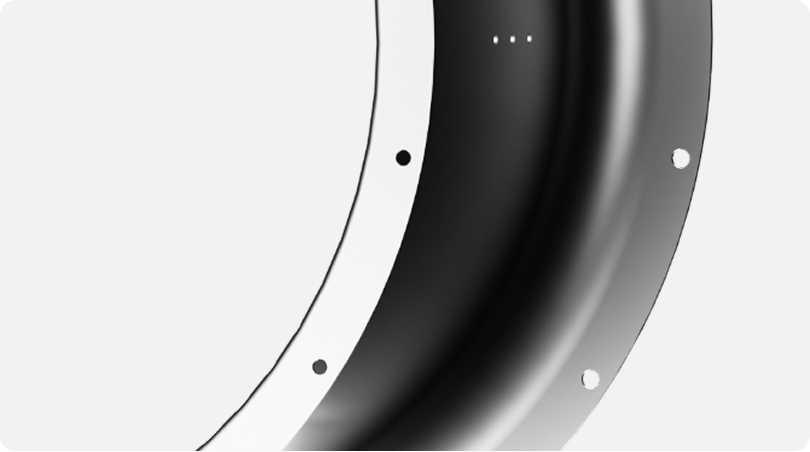
Material selection matters because the wrong combination can increase the risk of sparks or mechanical contact. Clearances matter because rubbing parts can become ignition sources. Balance and mechanical integrity matter because vibration, bearing failure and component wear can create heat or contact over time.
The fan must also stay within defined surface temperature limits for the relevant gas or dust group and temperature class. That can affect motor selection, speed limits, airflow design and control strategy.

Where Ex fans are non-negotiable
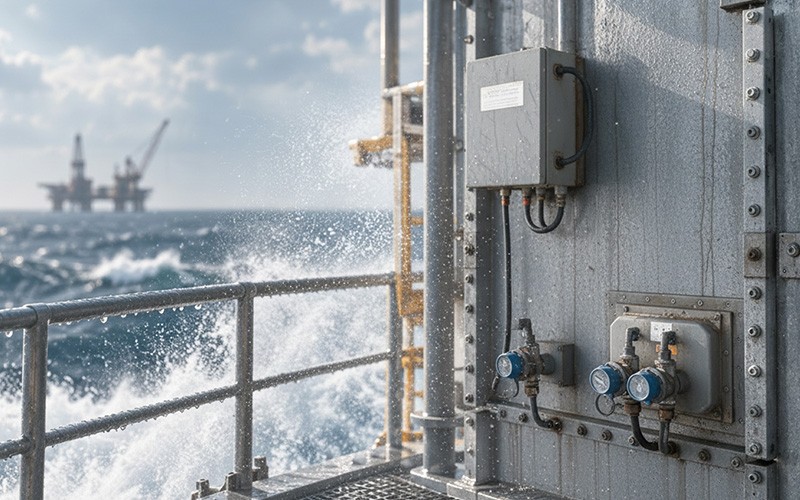
Explosion-proof fans are relevant wherever air may contain flammable gas, vapor or dust. That includes chemical and petrochemical plants, oil and gas installations, pharmaceutical and fine chemical production, food and agriculture, battery and cell production, paint shops, coating lines and printing facilities.
In many of these applications, uptime, cleanliness and process control are also critical. That means the fan is not just a safety component. It is part of the operating reliability of the wider system.

Avoid the common pitfalls
One common pitfall is treating ATEX or IECEx requirements as a label added at the end. By then, choices around materials, layout, speed, control strategy or maintenance access may already be difficult to change.
Another is using unclear specifications. A request for an “ATEX fan” without the zone, gas or dust type, temperature class and installation conditions leaves too much room for assumptions.
There is also a risk in mixing certified and non-certified components. A certified fan installed with unsuitable accessories, controls or drives can raise serious compliance questions.
Certification reports, declarations, marking explanations and maintenance instructions are not bureaucracy. In hazardous areas, they are proof that the installed solution does what it claims.
Fan facts in short
Explosion-proof fan design is about making sure the full fan assembly is safe, documented and suitable for the actual hazardous area. Explosion-proof fan solutions need to
match the correct zone and category
address gas, dust or both
stay within the relevant temperature class
prevent mechanical and electrical ignition risks
integrate motors, drives and controls safely
include clear certification and documentation
Multi-Wing’s explosion-proof fan solutions combine airflow performance with safety-critical engineering. For environments where good enough is nowhere near enough.