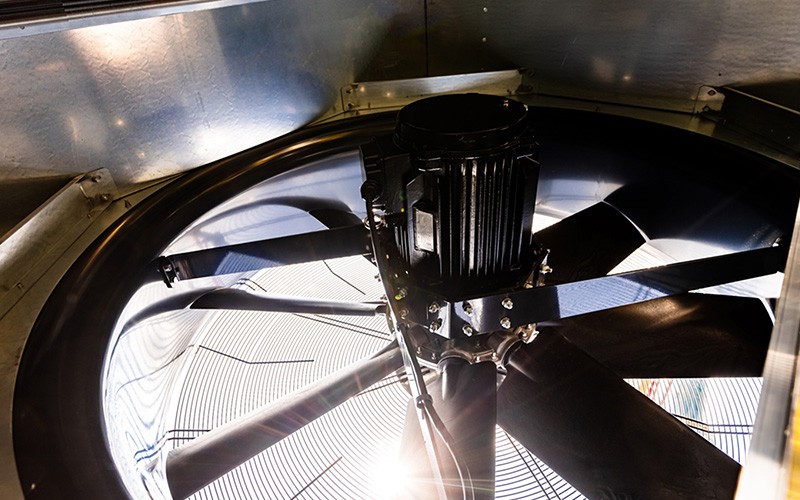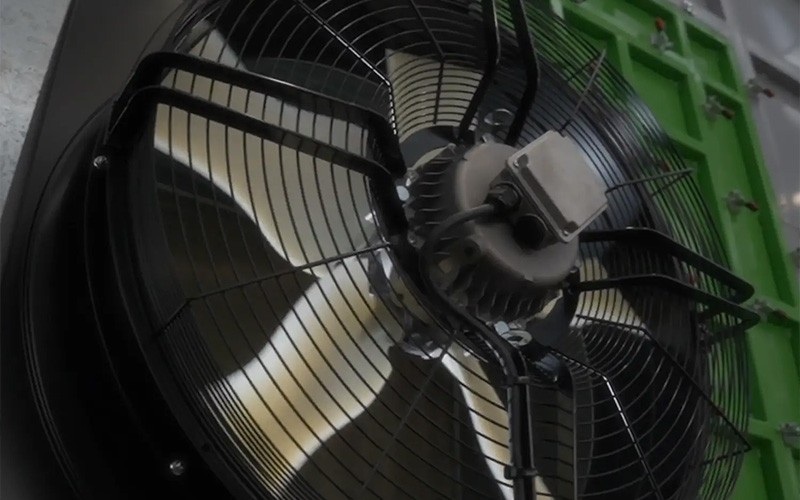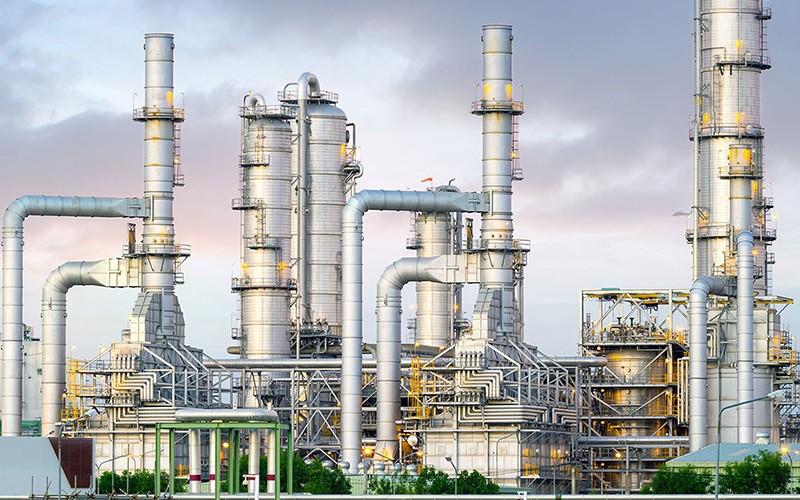
As data centres run hotter and cooling demands intensify, fan performance is becoming a critical part of system reliability. Here are the key facts behind high-temperature EC fans—and why modular, serviceable solutions matter in modern heat-rejection applications.
How air wear corrosion undermines fan reliability
Corrosion is a quiet but costly threat in demanding fan applications, gradually attacking components, performance and reliability. Here are the key facts behind corrosion-resistant fan design—and why materials, coatings and system-level protection matter in harsh operating environments.

Romain Bignolles
Global Product Director
1 min read
May 27, 2026
Corrosion is one of the quietest threats in demanding fan applications. The fan may still be moving air, but the environment around it can be attacking blades, hubs, fasteners, guards, motors and support structures every hour of every day.
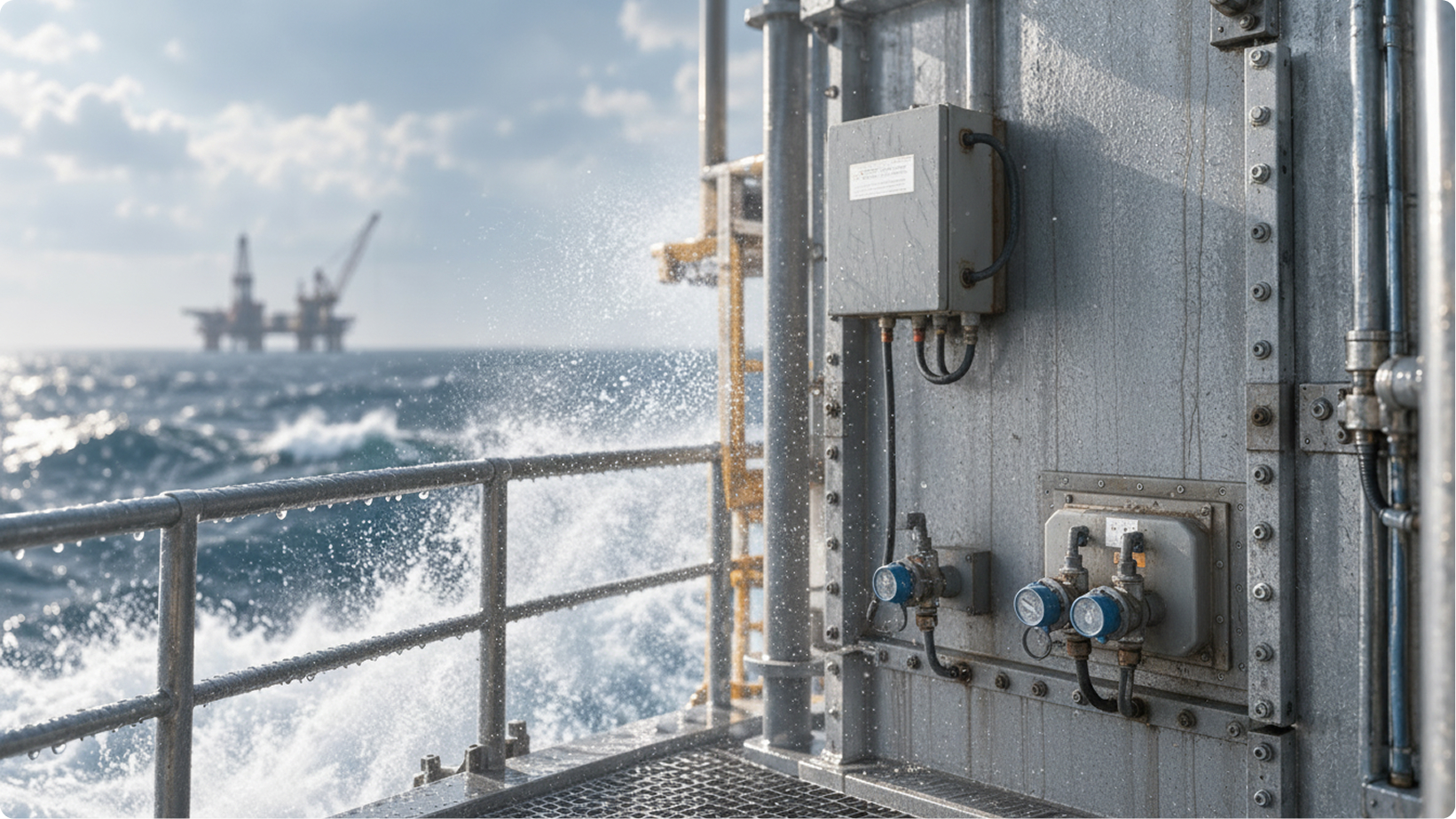
Salt-laden offshore winds. Humid exhaust from cooling towers. Acidic fumes in chemical plants. Fertilizer dust in agriculture.
These conditions do not just create cosmetic wear. They can reduce efficiency, increase maintenance needs and shorten the service life of the entire fan system.
That is why corrosion resistance should be part of the fan specification from the start, alongside efficiency, noise, vibration and reliability.
Built for the real environment
A fan that performs well in a clean test environment may not perform the same way in a coastal plant, cooling tower or offshore installation.
Different environments create different levels of corrosion risk. A standard urban or light industrial setting may only require basic corrosion protection and sensible material choices.
But in harsher C4, C5 and CX environments, the demands are very different. Here, fans may be exposed to salt spray, high humidity, chemicals, biological activity, corrosive gases or aggressive airborne particles.
In these conditions, standard materials and thin coatings can quickly become the weak point in an otherwise well-designed system.

More than a coating
Corrosion-resistant fan design is not simply about choosing a better paint. Corrosion can appear wherever geometry, materials and moisture create the right conditions.
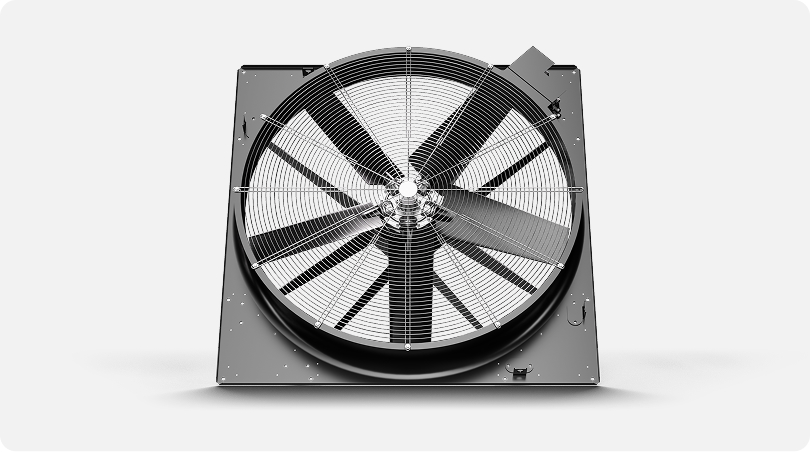
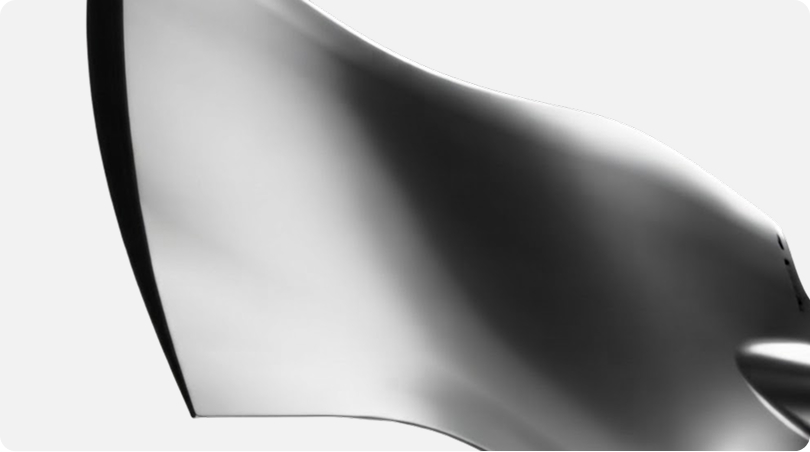
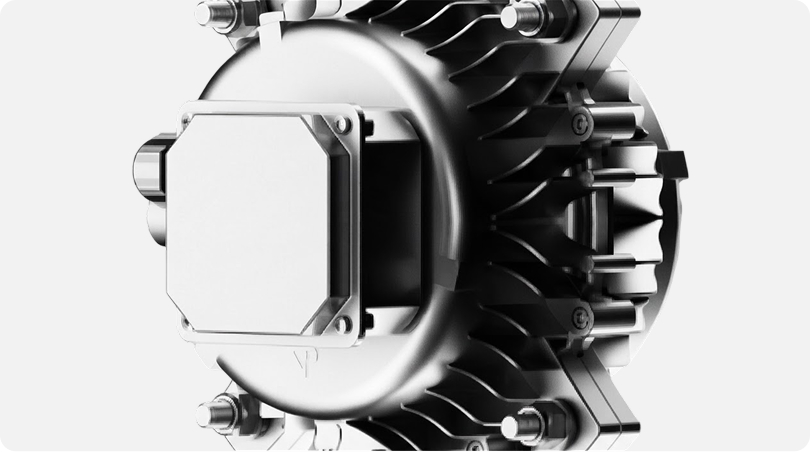
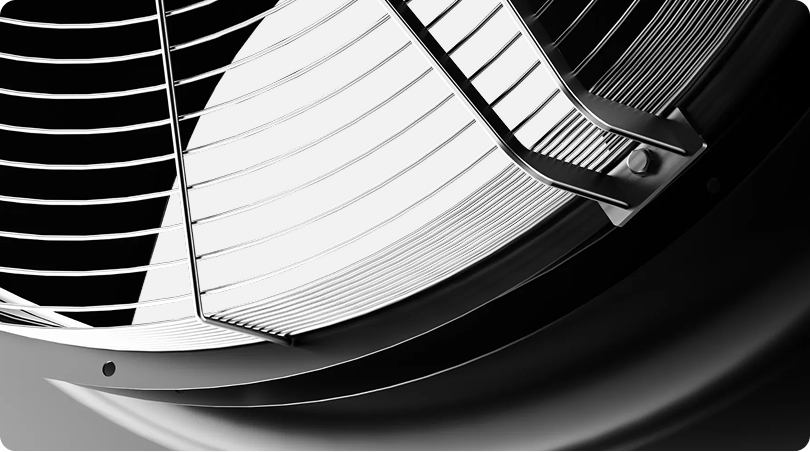
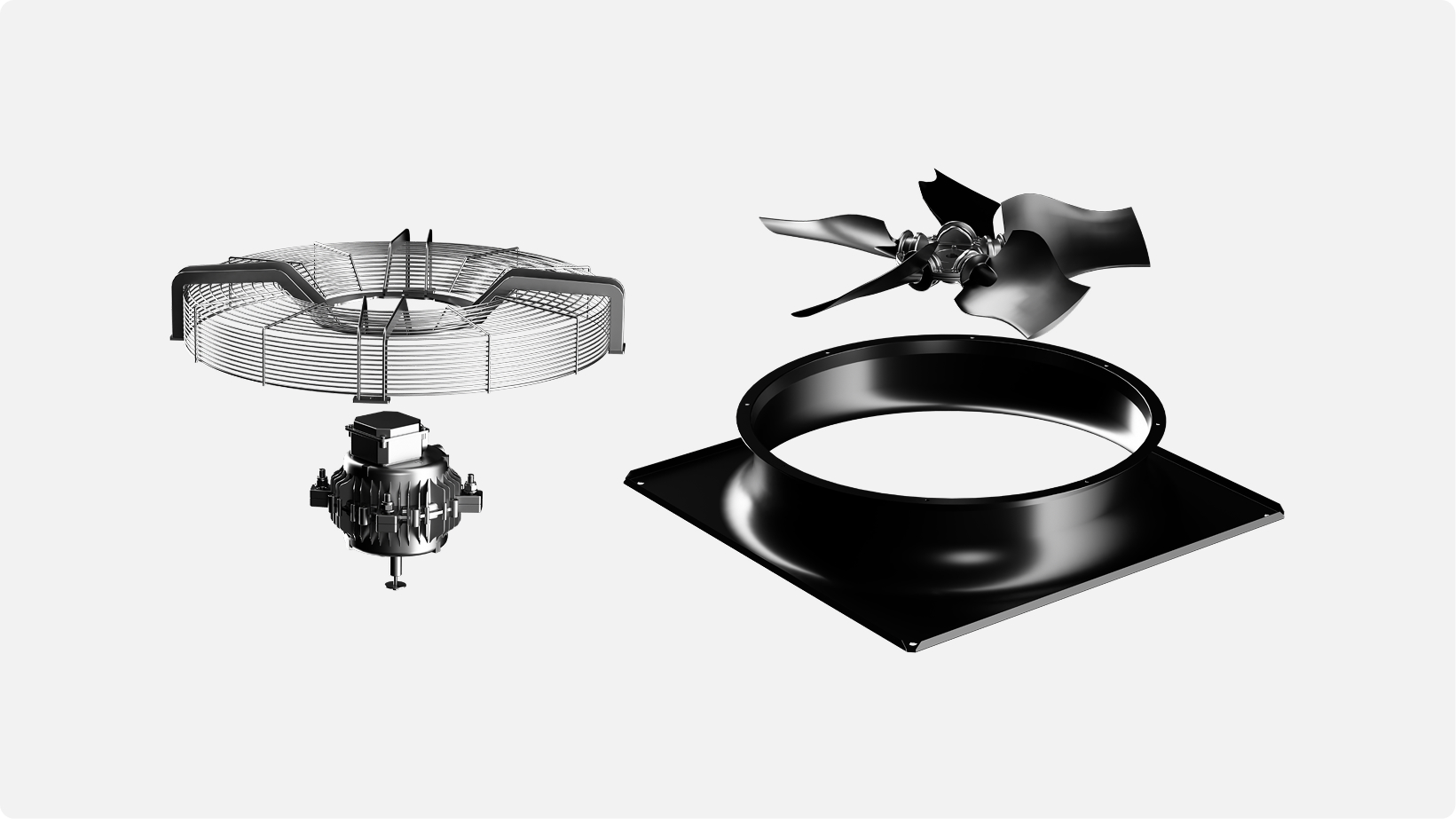
It can affect impeller blades, hubs, fasteners, safety grids, plates, motor housings and drive components.
A corrosion-resistant impeller fitted to a poorly protected guard or standard fasteners is only a partial solution. The complete fan package needs to be specified as a system, so the blades, hub, bolts, support structure, coating system and motor protection work together.
Multi-Wing approaches corrosion resistance as part of the overall fan design, not as an afterthought added once the aerodynamic work is done.
Material choices matter
There is no single material that solves every corrosion challenge.
Glass-reinforced polymers can offer strong inherent corrosion resistance, low weight and good fatigue performance. Aluminium alloys can be valuable for higher mechanical loads and temperatures but may require careful attention to coatings and galvanic corrosion. Coated steel components can perform well when the coating system is matched to the corrosivity category. Stainless steel or special alloys may be relevant in highly aggressive chemical or high-temperature environments.
The right choice depends on the application.
What is in the air? How humid is the environment? What temperatures are involved? Are there salts, acids, solvents, cleaning agents or biological contaminants? Which components are most exposed?
Answering those questions early helps engineers specify a fan solution that is built for the environment, not just the duty point.
Design details make the difference
Even the right materials can underperform if the design does not support long-term corrosion protection. Water traps, sharp edges, exposed cut surfaces and poorly protected interfaces can all accelerate corrosion. So can material combinations that create galvanic corrosion when moisture or salt water is present.
That is why corrosion-resistant design also means thinking about drainage, sealing, enclosure ratings, coating systems and practical assembly details.
In marine and offshore environments, motors and electronics may need higher ingress protection, supported by seals, cable routing and robust enclosures. But ingress protection is not the same as corrosion resistance. Both need to be specified deliberately.

Lower lifetime cost
Corrosion can create hidden costs over time: efficiency loss from roughened blade surfaces, unplanned service visits, replacement of guards and plates, seized or damaged components and downtime in critical systems.
Better materials and coatings may increase the initial cost. But if they reduce replacements, unscheduled maintenance and performance loss, they can support a lower total cost of ownership.
Fan facts in short
Corrosion resistance is all about designing fans that stay efficient, reliable and safe in the environments where they operate. Corrosion-resistant fan solutions can
help extend service life
reduce unplanned maintenance
protect aerodynamic performance over time
support lower lifetime cost
reduce premature replacement
improve reliability in harsh environments
In demanding environments, the real enemy is often the air around the fan.