MEET US AT AHR EXPO IN LAS VEGAS, NV - FEB. 2-4, 2026
bg image

THE NEW ERA OF HIGH-TEMPERATURE,
HIGH-PRESSURE COOLING IN DATA CENTERS

A technical deep dive into why AI-driven data centers require a new class of axial fans—and how Multi-Wing’s high-temperature EC fan platform meets the challenge.

AI WORKLOADS ARE 
TRANSFORMING THERMAL REALITIES

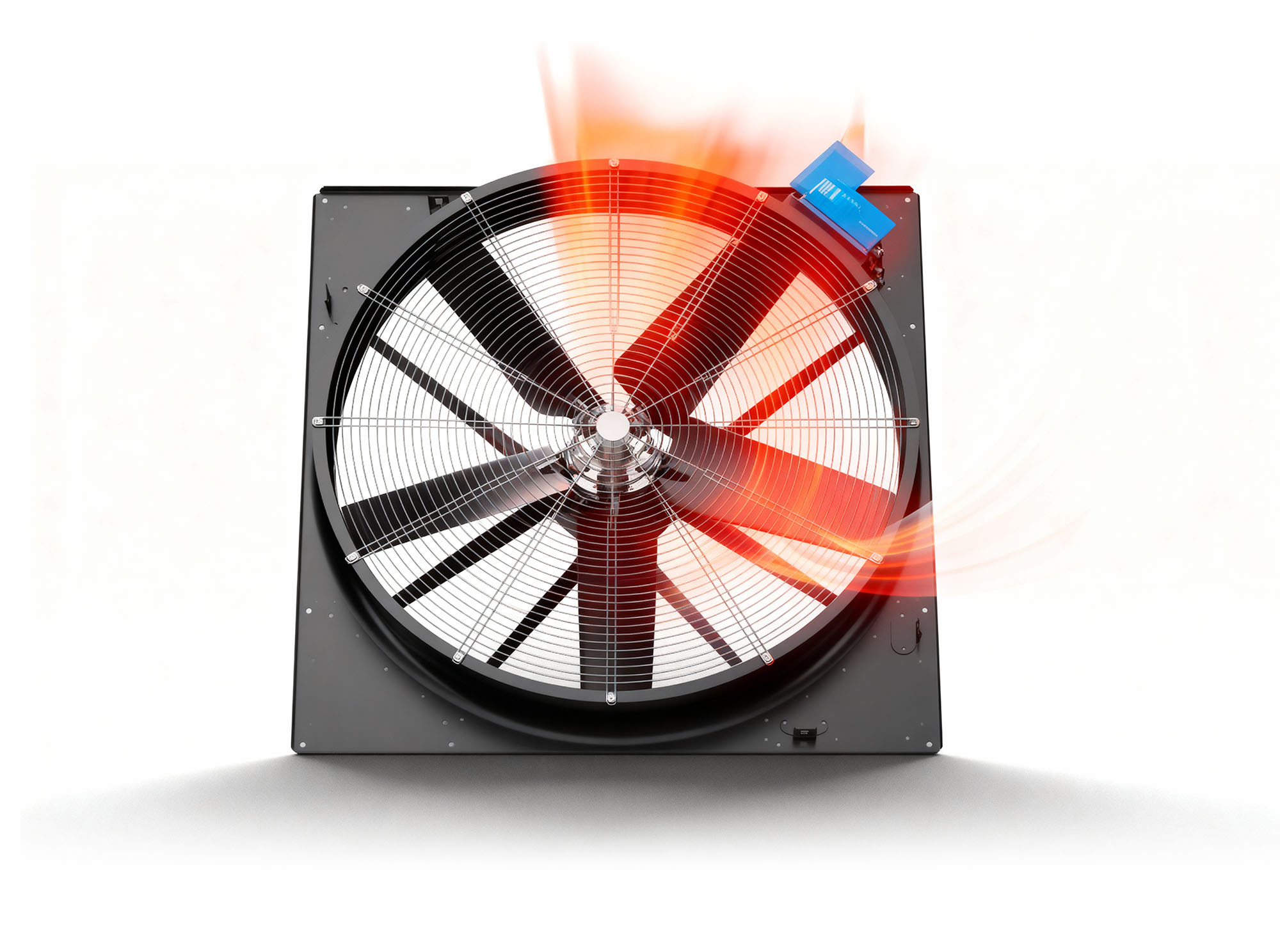
Data centers are running hotter and denser than ever before. As operators raise process-water and air-inlet tem-peratures to improve energy efficiency, cooling systems are being pushed to new limits. Conventional EC fans—built for generic HVAC duty—weren’t engineered for sustained operation above 50–60 °C.
icon
Continuous operation
at 70–80 °C (158–176 °F)
icon
Higher static pressures
(often 300+ Pa / 1.2 in H˜O)
icon
Quieter performance
under stricter permitting
icon
Improved sustainability
and serviceability

WHAT YOU’LL FIND IN OUR WHITEPAPER

  • Why modern data centers are trending toward higher air-inlet and process-water temperatures
  • The limitations of standard HVAC-grade EC fans in elevated temperature environments
  • How high-temperature, high-pressure fans differ in design and construction
  • The role of external-drive EC configurations that protect electronics from 80 °C process air
  • How modular fan architectures improve pressure capability, acoustics, and efficiency
  • Real-world performance results from datacenter retrofits
  • Guidance for OEMs and operators selecting fans for next-generation cooling systems
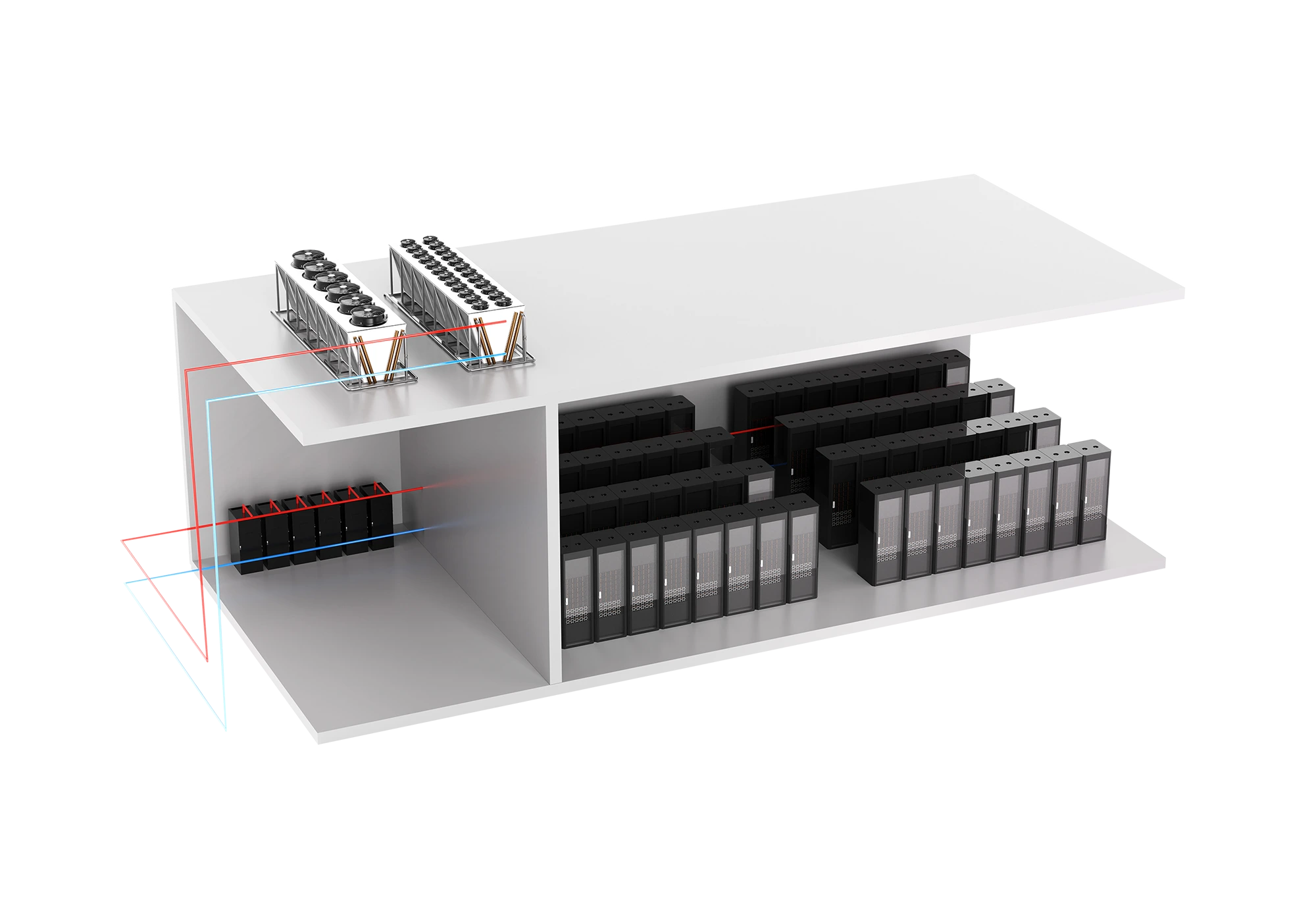
data center diagram

WHY TRADITIONAL EC FANS ARE FAILING IN TODAY’S DATA CENTERS

icon

Extreme Temperatures Demand New Engineering

Standard EC fans saturate at 50–60 °C, accelerating thermal aging of integrated electronics. Cooling systems for AI and cloud environments routinely exceed 70–80 °C, requiring purpose-built solutions.
icon

Higher Static Pressure & Denser Coils

Adiabatic and high-density heat exchangers increase airflow resistance, often surpassing 300 Pa. Generic fans struggle to maintain efficiency at these pressures.
icon

Stricter Noise + Sustainability Demands

Operators face new acoustic limits and growing pressure to reduce waste. Modular, serviceable fan platforms dramatically reduce replacement costs and lifecycle impact.
icon

Intelligent Controls Are Now Essential

Modern cooling systems require active modulation, Modbus integration, DCIM compatibility, and predictive monitoring—not optional extras.

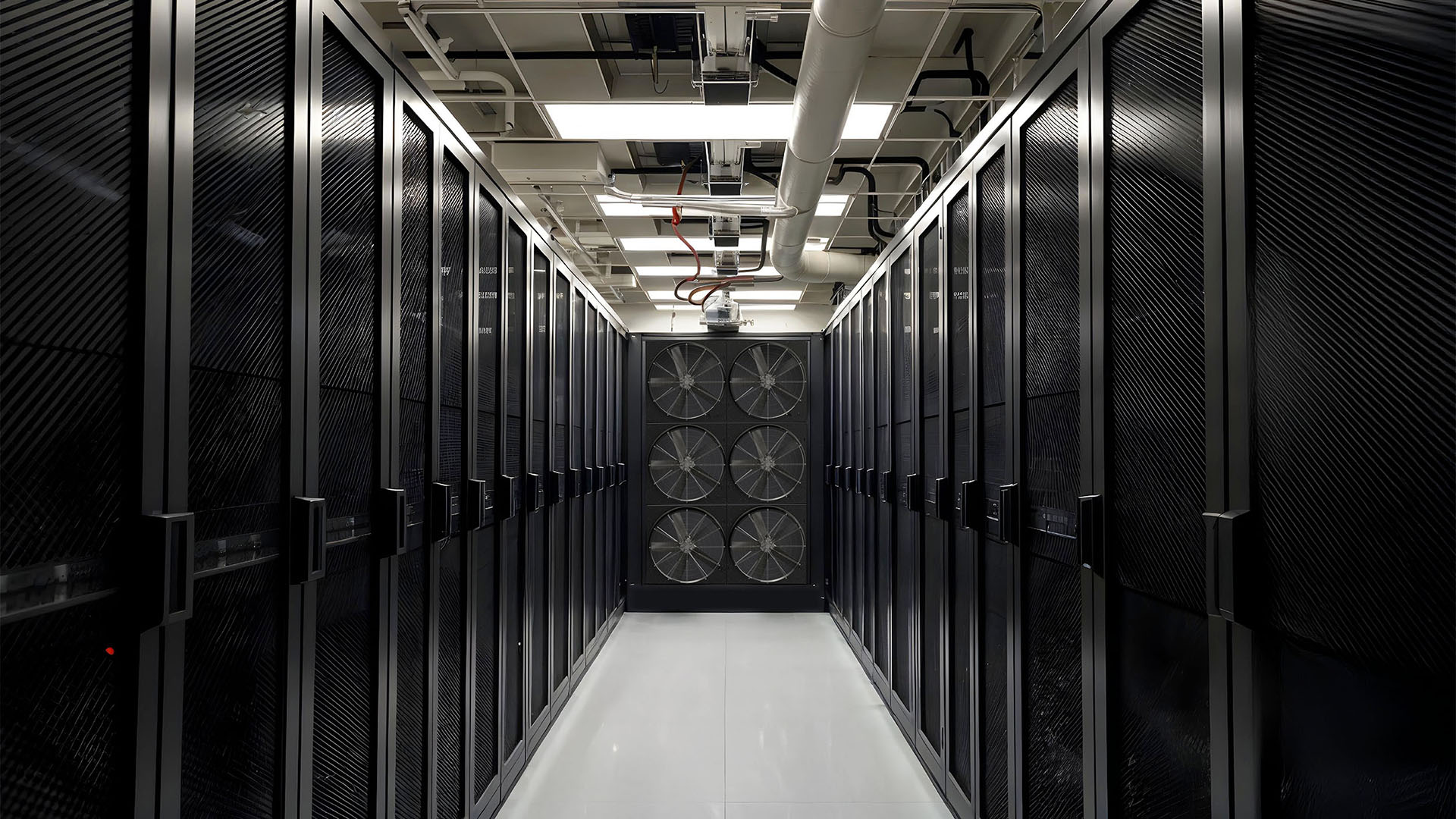
THE MULTI-WING HIGH-TEMPERATURE EC FAN PLATFORM

icon

External-Drive Architecture

Electronics stay 10–30 °C cooler by relocating them outside the hot air path—dramatically extending lifespan and performance stability.
icon

Modular Blade  + Hub Design

Configurable pitch, blade count, hub size, and impellers ensure optimal efficiency and noise performance for each OEM coil and airflow profile.
icon

Smart, Connected Intelligence

Plug-and-play Modbus, auto-addressing, and BMS/DCIM compatibility simplify commissioning and reduce maintenance effort.
icon

Field-Replaceable Components

Impellers, motors, and drives can be serviced independently—cutting lifecycle cost and improving sustainability.

ACCESS THE FULL WHITEPAPER

Get the complete engineering analysis, performance data, and system design guidance for specifying fans in next-generation data center cooling environments.
icon
DOWNLOAD WHITEPAPER